

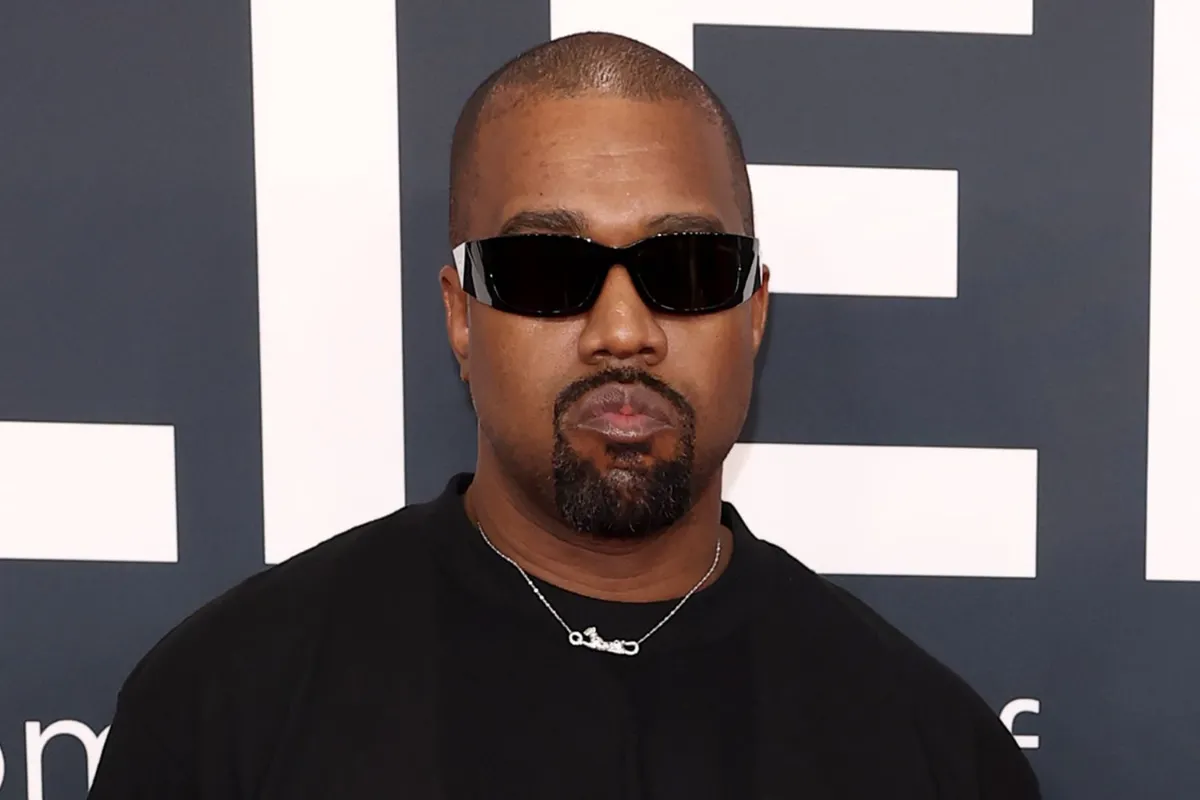
Kanye West has issued a public apology for his past antisemitic remarks, using a paid advertisement in The Wall Street Journal to express regret and acknowledge the harm caused by his words. In the statement, the artist and fashion entrepreneur attributed his behavior to a period of severe mental health struggles, stating that he lost touch with reality during that time.
The apology marks one of West’s most direct attempts to address the controversy that led to widespread condemnation, broken business partnerships, and lasting damage to his public image. While reactions to the statement have been mixed, the ad represents a notable shift in tone from defiance to accountability.
The Context Behind the Apology
West’s antisemitic comments, made publicly across interviews and social media, sparked global backlash. Jewish organizations, civil rights advocates, fans, and business partners condemned the remarks, describing them as harmful and dangerous. The fallout was swift, with major brands cutting ties and platforms distancing themselves from the artist.
For months, West offered little in the way of apology, instead doubling down on some statements or reframing criticism as persecution. This prolonged silence, combined with repeated controversies, deepened skepticism about whether he understood the gravity of his words.
The Wall Street Journal advertisement, therefore, stands out as a significant departure. Rather than speaking through social media or interviews, West chose a formal, traditional outlet to deliver a carefully written message.
What West Said in the Advertisement
In the ad, West expressed remorse for his antisemitic remarks and acknowledged that they caused real harm. He stated that his words were not rooted in hatred but emerged during a period when his mental health was severely compromised.
West referenced his bipolar disorder, explaining that untreated or poorly managed symptoms contributed to distorted thinking and impulsive behavior. He described feeling disconnected from reality and unable to fully understand the impact of his actions at the time.
Importantly, the statement avoided confrontation or justification. Instead, it emphasized regret, reflection, and a desire to move forward with greater awareness and responsibility.
Mental Health and Public Accountability
West’s decision to link his behavior to bipolar disorder has reignited debate around mental health and accountability. Mental health advocates often stress that conditions like bipolar disorder can influence perception, judgment, and impulse control. At the same time, they caution against framing mental illness as an excuse for harmful behavior.
The distinction matters. Acknowledging mental health challenges can help explain behavior, but it does not erase responsibility for the consequences of one’s actions. Many advocates argue that meaningful accountability includes both apology and a commitment to treatment, education, and change.
West’s statement touches on this balance by recognizing his condition while expressing regret for the harm caused. Whether the public accepts that balance remains an open question.
Why the Choice of The Wall Street Journal Matters
Publishing the apology as a paid advertisement in The Wall Street Journal was a deliberate choice. The publication reaches a broad, influential audience that extends beyond West’s fan base and into business, politics, and global affairs.
This approach suggests an effort to be taken seriously and to distance the apology from the volatility of social media. It also signals an understanding that the damage caused by the remarks extended beyond entertainment into economic and cultural spheres.
By choosing this format, West appeared to aim for permanence and gravity, rather than a fleeting post that could be dismissed or forgotten.
Reactions From Jewish Organizations and the Public
Responses to the apology have been cautious. Some Jewish leaders welcomed the acknowledgment of harm, emphasizing that public apologies can play a role in healing when paired with sincere action. Others expressed skepticism, noting that words alone cannot undo the spread of antisemitic rhetoric or the normalization of harmful stereotypes.
Public reaction has similarly been divided. Some fans see the statement as a long-overdue step toward accountability and recovery. Critics argue that West’s pattern of controversial behavior makes it difficult to trust that the apology represents lasting change.
The mixed response reflects a broader reality: public forgiveness is rarely immediate, especially when harm is repeated and highly visible.
The Business and Cultural Impact
West’s antisemitic remarks had immediate financial consequences. Major partnerships were terminated, and his business empire faced significant setbacks. The apology may be viewed in part as an attempt to repair reputational and economic damage.
However, rebuilding trust in the business world is often slower than issuing a public statement. Brands tend to assess not only words but also consistent behavior over time. Investors and partners look for stability, accountability, and a clear commitment to avoiding future controversies.
Culturally, West’s influence remains undeniable, but his standing has shifted. Once celebrated primarily for innovation and artistry, he is now often discussed in the context of controversy and caution.
A Broader Conversation About Celebrity and Responsibility
This episode highlights the unique power and responsibility held by public figures. Celebrities can amplify ideas rapidly, for better or worse. When harmful views are expressed by someone with a massive platform, the consequences extend far beyond personal opinion.
West’s apology brings renewed attention to how society responds when influential figures cross ethical lines. It raises questions about redemption, the role of mental health in public life, and what meaningful accountability looks like in an age of constant visibility.
For some observers, the key issue is not whether West deserves forgiveness, but whether he demonstrates sustained effort to learn, change, and prevent further harm.
What Comes Next for Kanye West
The apology may represent the beginning of a longer process rather than a conclusion. If West seeks to rebuild trust, actions will likely matter more than statements. This could include ongoing mental health treatment, engagement with affected communities, and a clear commitment to avoiding inflammatory rhetoric.
Public figures who successfully recover from major controversies often do so through consistency and humility over time. One statement, no matter how carefully written, is rarely enough.
Whether this moment marks a genuine turning point or a temporary pause remains to be seen.
Final Thoughts
Kanye West’s apology for his antisemitic remarks, delivered through a Wall Street Journal advertisement, is a significant and notable development in a long-running controversy. By expressing regret and acknowledging the role of bipolar disorder in his behavior, West has taken a step toward accountability that many felt was overdue.
The response has been understandably cautious. Harmful words leave lasting effects, and rebuilding trust requires more than explanation. Still, the apology opens the door to a broader conversation about mental health, responsibility, and the possibility of change.
Ultimately, the impact of this moment will be defined not by the apology itself, but by what follows.