

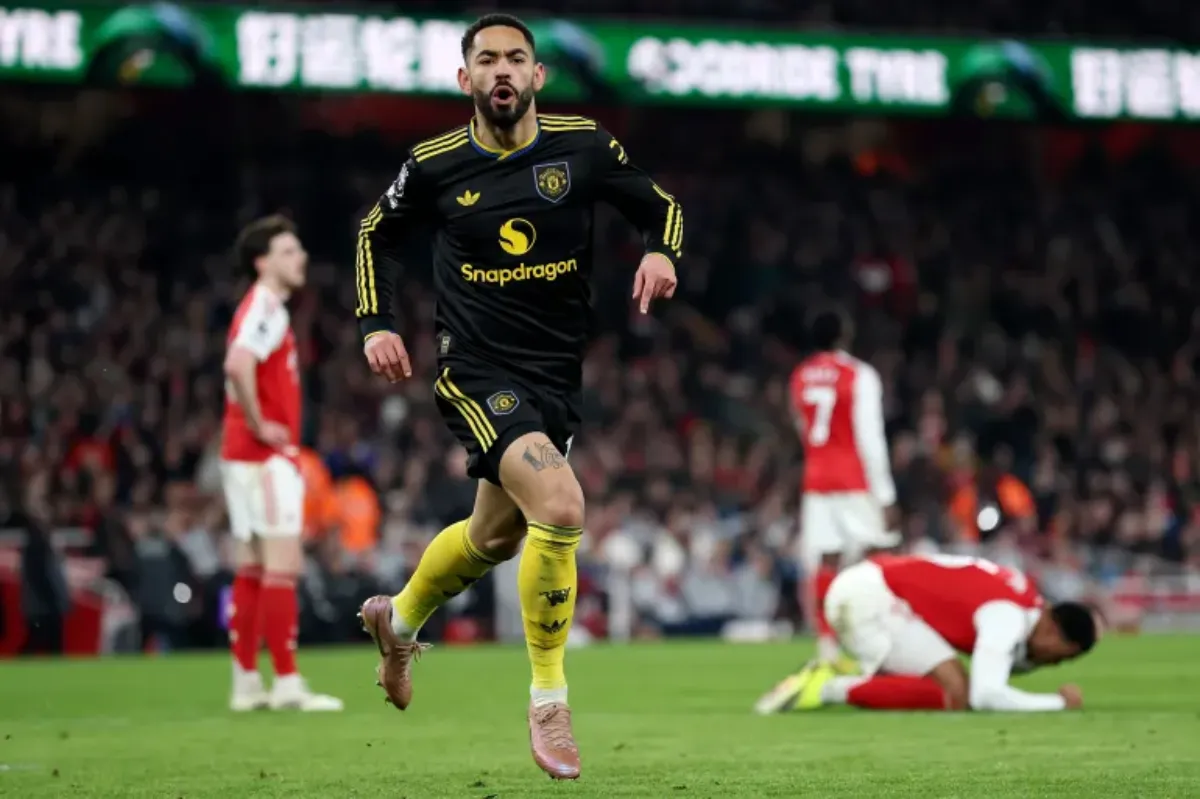
Arsenal’s hopes of maintaining momentum at home suffered a major setback after a dramatic three to two defeat to Manchester United at the Emirates Stadium. In a match filled with intensity, tactical twists, and defensive lapses, the Gunners were left frustrated as United capitalized on key moments to secure a statement win on the road.
The result shocked many supporters, especially given Arsenal’s strong home form and United’s inconsistent performances leading into the fixture. Beyond the scoreline, the match raised serious questions about Arsenal’s game management, defensive concentration, and ability to respond under pressure against top opposition.
A Fast-Paced Start Set the Tone
From the opening whistle, the match carried the feel of a high-stakes contest. Arsenal began with energy, pressing high and looking to dominate possession. Their intent was clear early on, as they pushed Manchester United deep and created early half-chances through quick passing and wide overloads.
That early pressure paid off when Arsenal took the lead, rewarding the home crowd with a well-worked goal that showcased their attacking fluency. The Emirates responded with confidence, and for a brief period, Arsenal appeared to be in control.
However, Manchester United did not panic. Instead of retreating further, they gradually absorbed pressure and began to exploit the spaces Arsenal left behind during their aggressive press.
Manchester United’s Ruthless Response
United’s equalizer came against the run of play and exposed one of Arsenal’s recurring issues this season: vulnerability in defensive transition. A quick break, combined with precise movement and clinical finishing, allowed United to level the score.
The goal shifted the momentum. Arsenal continued to enjoy possession, but United became increasingly dangerous on the counterattack. Their direct approach caused problems, particularly when Arsenal’s midfield failed to track runners effectively.
United’s second goal further underlined this pattern. A momentary lapse in concentration at the back allowed United to punish Arsenal once again, turning the game on its head and silencing the home crowd.
Arsenal’s Defensive Concerns Resurface
While Arsenal’s attacking play showed creativity, their defensive structure struggled to cope with United’s pace and movement. The back line appeared disjointed at times, and communication breakdowns led to dangerous situations.
Several factors contributed to these issues:
Slow recovery runs during counterattacks
Gaps between midfield and defense
Poor marking inside the penalty area
These problems allowed United to create high-quality chances with relatively few touches, making their efficiency all the more damaging.
For a team aiming to compete at the top of the Premier League, such defensive lapses at home are particularly concerning.
A Brief Fightback Offers Hope
To Arsenal’s credit, they did not collapse after going behind. The team responded with renewed urgency, increasing tempo and pushing numbers forward. That determination was rewarded when Arsenal found an equalizer, reigniting belief among the supporters.
At 2–2, the match opened up even further. Both sides sensed an opportunity to claim all three points, leading to a tense and entertaining final phase.
However, Arsenal’s push for a winner came at a cost. As they committed players forward, spaces reappeared in defensive areas, giving United exactly the type of scenario they wanted.
The Decisive Moment
Manchester United’s winning goal came late in the match and once again highlighted Arsenal’s inability to manage key moments. A defensive error, combined with a lack of pressure on the ball, allowed United to strike decisively.
The goal was a harsh punishment for Arsenal, but it reflected the broader pattern of the game. United were more clinical, more composed in decisive situations, and better at exploiting Arsenal’s mistakes.
Despite late pressure and desperation attacks from the hosts, Arsenal could not find a way back, and the final whistle confirmed a painful home defeat.
Tactical Battle and Key Differences
From a tactical perspective, the contrast between the two sides was clear. Arsenal focused on controlling possession and building through structured attacks, while Manchester United prioritized direct transitions and efficiency.
United’s approach proved more effective on the day. By allowing Arsenal the ball and targeting weaknesses in transition, they maximized their chances with fewer opportunities.
Arsenal, on the other hand, struggled to adjust once United began exploiting those spaces. The lack of tactical flexibility during critical phases of the match ultimately worked against them.
Impact on Arsenal’s Season Ambitions
This defeat carries significant implications for Arsenal’s season. Dropping points at home, especially against a direct rival, can have long-term consequences in a tightly contested league.
Beyond the immediate loss, the match exposed recurring issues that opponents are likely to target:
Defensive fragility under pressure
Difficulty controlling games after taking the lead
Reliance on attacking dominance without sufficient defensive balance
Addressing these concerns will be crucial if Arsenal are to remain competitive in the race for top positions.
Manchester United’s Statement Victory
For Manchester United, the result represents a major confidence boost. Winning away at the Emirates demonstrates resilience, tactical discipline, and an ability to deliver in big moments.
The victory will be seen as a turning point, particularly given their recent inconsistency. It also reinforces the effectiveness of their counterattacking strategy against possession-heavy teams.
United’s players executed their game plan with precision, and their composure in front of goal made the difference.
Fan Reaction and Wider Implications
Arsenal supporters left the stadium frustrated, not only with the result but with the manner of the defeat. Losing after leading and conceding goals through avoidable mistakes adds to the disappointment.
The result is likely to intensify scrutiny on tactical decisions and defensive performances in the coming weeks. Expectations remain high, and patience can wear thin when similar problems persist.
For neutral fans, the match served as a reminder of the Premier League’s unpredictability and intensity, where fine margins often decide outcomes.
What Arsenal Must Improve Going Forward
If Arsenal are to bounce back from this defeat, several areas demand attention:
Improving defensive organization during transitions
Managing tempo after scoring
Maintaining focus in high-pressure moments
Addressing these issues will not only help prevent similar defeats but also strengthen the team’s overall consistency.
Final Thoughts
Arsenal’s shock 3–2 home defeat to Manchester United was a match defined by moments, mistakes, and missed opportunities. While the Gunners showed attacking quality and fighting spirit, defensive weaknesses and poor game management ultimately cost them.
Manchester United deserved credit for their clinical finishing and disciplined approach, making the most of Arsenal’s errors to secure a vital away win.
As the season progresses, this match may be remembered as a turning point for both teams. For Arsenal, it is a reminder that talent alone is not enough without balance and control. For United, it is proof that efficiency and composure can still deliver big results on difficult grounds.